Choosing the right chocolate for a brand activation can feel like navigating a maze of flavors, budgets, and logistics. It’s a sweet spot where taste, branding, and consumer experience intersect, but the journey is riddled with hurdles that can turn a delicious idea into a bitter disappointment. In this article we’ll explore the most common pain points, give you practical solutions, and sprinkle in a touch of humor to keep the mood as rich as a dark‑chocolate truffle.
Understanding the Landscape
When a brand decides to gift chocolate, it isn’t just handing out sweets—it’s delivering an experience that should echo the brand’s values and resonate with the target audience. The process involves several stakeholders: marketing teams, procurement, suppliers, designers, and sometimes even legal counsel. Each of these players brings their own expectations, which can clash like incompatible flavors.
The Role of Brand Activation
Brand activation is all about creating memorable moments that forge a lasting connection. The chocolate you choose must act as a tangible ambassador for that moment. It should spark curiosity, delight, and a sense of exclusivity. Think of it as the edible equivalent of a well‑timed billboard: it catches the eye, delivers a message, and lingers in the memory.
Why Chocolate?
Chocolate is a universal language. It carries cultural connotations, emotional associations, and sensory pleasure. That makes it an ideal medium for gifting, but also a double‑edged sword—what works for one sweet gift baskets demographic may fall flat for another. This diversity adds another layer of complexity to the selection process.
Key Pain Points Unveiled
Here are the most common obstacles that marketers face when selecting chocolate for brand activation gifting. We’ll break them down and offer quick wins.
1. Budget Constraints
> “You can’t buy happiness, but you can buy chocolate, which is pretty close.” – Unknown
- Cost of Premium Ingredients: High‑grade cocoa, organic milk, or exotic nuts can skyrocket the price. Packaging Expenses: Custom wrappers, eco‑friendly materials, or limited‑edition tins add overhead. Bulk Order Minimums: Suppliers often require large minimums, inflating the per‑unit cost.
2. Supply Chain Reliability
- Seasonal Variability: Cocoa prices fluctuate with harvest cycles, impacting delivery timelines. Geopolitical Risks: Trade disputes or sanctions can disrupt supply chains. Quality Control: Ensuring consistency across batches is critical—one defective bar can tarnish a brand’s reputation.
3. Flavor & Sensory Alignment
- Taste Preferences: Different regions favor varying bitterness levels or add‑ons like sea salt. Allergen Concerns: Nut allergies, dairy sensitivities, and gluten‑free requirements must be addressed. Shelf Life: Chocolate degrades faster in humid or hot climates, limiting distribution windows.
4. Design & Branding Integration
- Custom Packaging: Aligning the visual identity with the chocolate’s shape and color can be challenging. Regulatory Labels: Nutritional information, ingredient lists, and certifications must comply with local laws. Storytelling: The packaging should tell a narrative that complements the activation’s theme.
5. Logistics & Distribution
- Temperature Control: Maintaining the right temperature from factory to hand‑out is essential. Weight & Size: Shipping constraints can dictate the type of chocolate you can send. Last‑mile Delivery: Coordinating on‑site distribution without compromising quality is a logistical puzzle.
From Taste to Logistics
Once the pain points are mapped, the next step is to weave them into a cohesive plan. Think of it as a recipe: each ingredient must be measured, mixed, and cooked to perfection.
Balancing Cost and Quality
- Tiered Product Lines: Offer a standard line for mass distribution and a premium line for high‑value touchpoints. Supplier Partnerships: Negotiate long‑term contracts to lock in prices and secure priority service. Bulk Discount Structures: Leverage volume discounts while maintaining quality controls.
Managing Supply Chain Risks
- Diversify Suppliers: Relying on a single source increases vulnerability. Spread risk across multiple vetted suppliers. Build Inventory Buffers: Keep a small reserve of finished goods to cushion against delivery delays. Track Market Trends: Stay ahead of cocoa price swings by monitoring commodity markets.
Customizing Flavor Profiles
- Consumer Research: Conduct taste tests or surveys to capture regional preferences. Allergy‑Friendly Options: Offer nut‑free, dairy‑free, or vegan variants to broaden appeal. Limited‑Edition Flavors: Create seasonal or event‑specific flavors to boost excitement.
Packaging that Pops
- Co‑Design Workshops: Bring together brand designers and chocolate artisans to align aesthetics. Eco‑Friendly Materials: Use recyclable or biodegradable packaging to align with sustainability goals. Storytelling Elements: Include QR codes, story cards, or interactive elements that deepen engagement.
Logistics Mastery
- Temperature‑Controlled Shipping: Use insulated packaging and refrigerated trucks when necessary. Clear Distribution Protocols: Draft SOPs for on‑site handling, ensuring staff know how to store and present the chocolate. Real‑Time Tracking: Employ GPS and IoT sensors to monitor conditions during transit.
A Quick Anecdote
Last year, a tech startup wanted to celebrate its 10th anniversary with a chocolate‑gifted pop‑up event. They partnered with a boutique chocolatier, but the chocolate melted halfway through the event due to a heat‑wave. The brand’s reputation suffered, and the event was called “The Meltdown.” The lesson? Even the best‑planned chocolate can become a liability if environmental factors aren’t considered.
A Thoughtful Quote
> “Chocolate is a sweet way to say ‘I care.’” – Anonymous
This sentiment captures the essence of gifting: it’s not just about the product; it’s about the message it conveys.
The Final Sweet Spot
Making Your Selection Count
To avoid the common pitfalls, start with a clear brief that outlines objectives, budget, and target audience. Then, collaborate closely with suppliers, designers, and logistics partners. Test prototypes, monitor feedback, and iterate until the chocolate becomes a seamless extension of your brand activation.
Remember, the goal isn’t merely to hand out chocolate—it’s to create a memorable, shareable moment that reinforces your brand’s promise. When you align taste, design, and delivery, the result is a harmonious experience that delights the senses and stays in the mind long after the last bite.
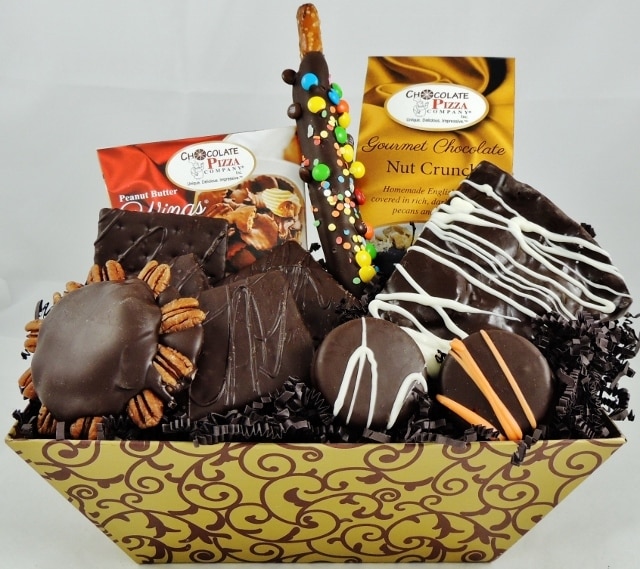
So, next time you’re faced with the question, what are the most common pain points when selecting chocolate for brand activation gifting, you’ll have a roadmap to navigate them with confidence—and a few smiles along the way.
