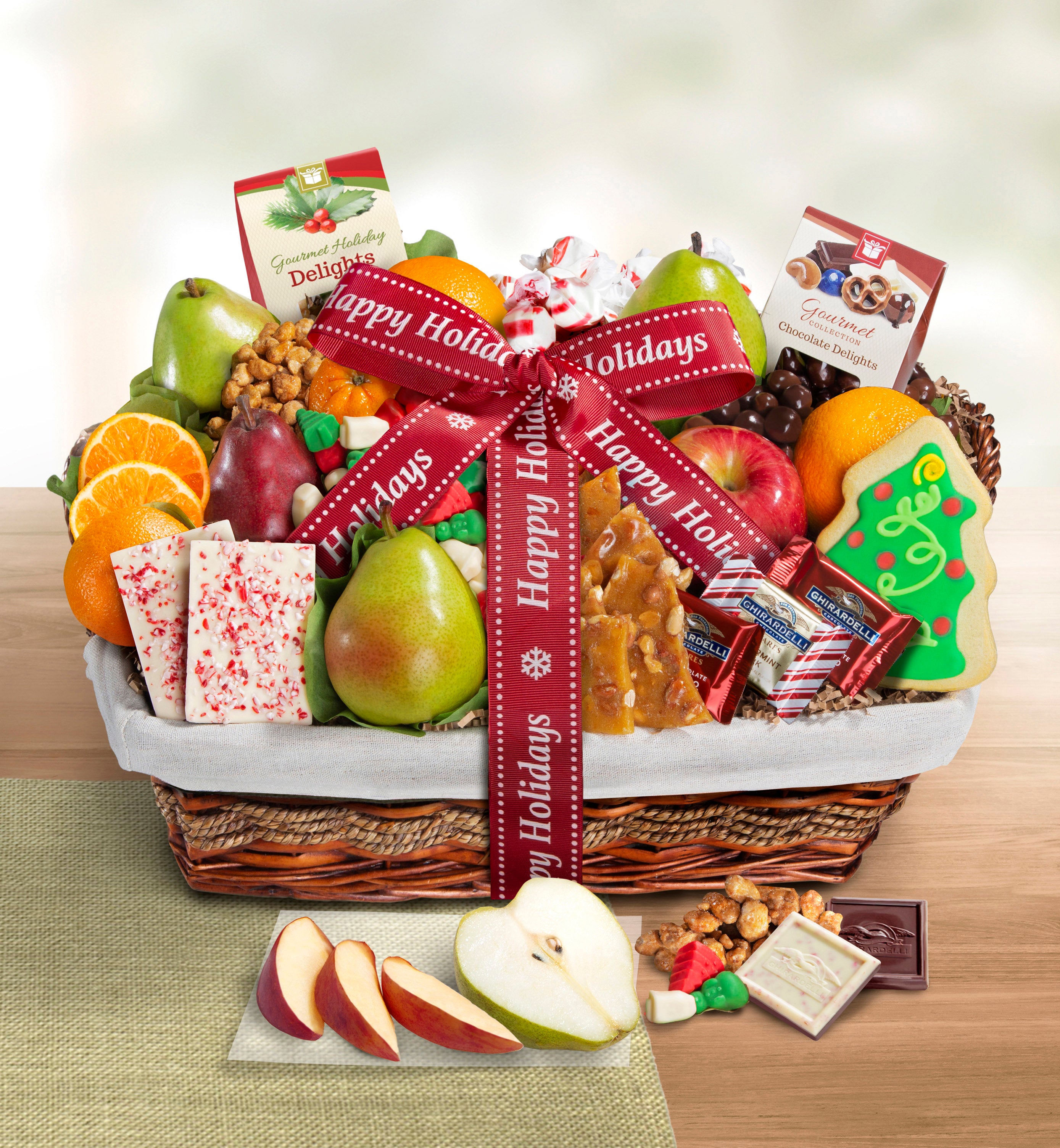
The holiday season is all about gifting, and what better way Click for info to spread cheer than with a thoughtfully curated Christmas hamper? Yet, the packaging that holds those treats can often become the real gift—if it’s recyclable, that is. Choosing the right recyclable packaging isn’t just a green move; it’s a smart business decision that can boost brand loyalty, reduce waste, and keep your holiday budget in check. This guide walks you through the essentials of selecting recyclable packaging for Christmas hampers, from material science to supplier relationships, with a sprinkle of holiday humor to keep the mood bright.
Why Recyclable Packaging Matters for Christmas Hampers
Environmental Impact
When you wrap a hamper in a single‑use plastic bag, you’re adding to the ocean’s plastic tide. Recyclable packaging, on the other hand, can be processed and repurposed, reducing landfill footprints. In 2023, the average household generated 4.5 tons of waste—most of it non‑recyclable. By choosing recyclable options, you help close the loop and keep those festive goodies in circulation.
> “Sustainability isn’t a trend; it’s a responsibility,” says Dr. Maya Patel, environmental scientist. “When we opt for recyclable packaging, we’re investing in a cleaner future for the next generation of gift‑givers.”
Brand Image and Consumer Expectations
Consumers today are savvy. They scan labels, research brands, and expect eco‑friendly practices. A recyclable package signals that your brand cares about more than just the bottom line. Imagine a customer unwrapping a hamper and finding a biodegradable wrapper—there’s a “wow” factor that turns a one‑time buyer into a repeat customer.
*Rhetorical question:* Have you ever seen a shopper pause, smile, and say “That’s a nice touch” when they notice a green label?

Key Factors to Consider When Choosing Recyclable Packaging
Material Types and Certifications
- Paper & Cardboard – 100% recyclable, biodegradable, and often locally sourced. Biodegradable Plastics – Made from corn‑starch or sugarcane; break down faster than conventional plastics. Recycled PET (rPET) – Uses post‑consumer plastic bottles; high strength, great for sturdy hampers. Certifications to Watch – FSC, PEFC, and Cradle to Cradle® provide assurance of responsible sourcing.
Durability vs. Sustainability
A flimsy wrapper may look festive, but it won’t protect a ham or a box of chocolates during transit. Balance is key: choose a material that’s both recyclable and robust enough to hold your hamper’s contents.
Cost and Availability
While recyclable options can be more expensive upfront, bulk orders often bring discounts. Consider local suppliers to reduce shipping emissions and support the regional economy.
Practical Tips for Selecting the Right Packaging
Size and Fit
- Measure your hamper’s dimensions. Add a margin of 1–2 inches for cushioning. Avoid oversized packaging that squanders material and increases waste.
Design and Branding
- Print Responsibly – Use soy‑based inks that are recyclable and less toxic. Minimalist Aesthetics – Less ink means less waste and a cleaner look. Personal Touch – A handwritten note on a recyclable card can create a memorable experience.
Supplier Relationships
- Vet suppliers for their environmental policies. Ask for samples to test durability. Negotiate bulk pricing and flexible delivery schedules.
*Rhetorical question:* Do you prefer a supplier who’s just another vendor, or one who’s a partner in your sustainability journey?
Common Mistakes to Avoid
Overlooking Sealability
A recyclable wrapper that can’t be sealed properly leads to spills, spoilage, and unhappy recipients. Test the closure mechanism before finalizing your order.
Ignoring Local Recycling Rules
Recyclable packaging is only effective if your target market can actually recycle it. Check local guidelines: some areas accept only certain paper grades or require separate sorting for bioplastics.
Anecdote
Last year, a small bakery in Portland used a bright, glossy wrapper that they thought was recyclable. After the holiday rush, the local recycling center rejected it because the glossy coating made it non‑recyclable. The bakery’s packaging cost ballooned, and the customers were left with a sticky mess. Lesson learned: always read the fine print on the packaging’s back.
Making Your Selection Count
Choosing recyclable packaging for Christmas hampers is more than a compliance checkbox—it’s a chance to tell a story. When you pick a wrapper that’s not only eco‑friendly but also functional and beautifully branded, you’re giving your customers a gift that keeps on giving.
Think of the packaging as the wrapping paper of a secret Santa: it’s the first impression, the protective layer, and the final flourish that ties the whole experience together. By selecting the right recyclable material, you’re ensuring that the gift’s spirit—both literal and figurative—travels safely to its destination.
Ready to upgrade your hamper game? Reach out to a reputable supplier today, request samples, and start building a greener, more memorable holiday gifting strategy. Your customers will thank you, the planet will thank you, and you’ll be one step closer to a sustainable Christmas season.